
Drew Bruce
I've spent twenty-five years solving problems across industries that share almost nothing in common — oil and gas, banking, education, media, government — which, depending on how you look at it, is either a useful qualification for writing about problem-solving or a cry for help.
Somewhere in there I helped build BBC iPlayer when streaming was still the kind of problem people lost sleep over, and I've spent longer than I'd like to admit arguing about architecture in organisations large enough that no two people could agree what "the architecture" actually was. These days I work from home in northwest Tasmania, where the problems are different and the main interruption to my writing day is a 100kg Great Dane named Hamish deciding it's time for lunch. (His mum Freya backs him up. It's a coordinated operation.)
I write non-fiction about thinking clearly and communicating visually, and science fiction about things that won't fit in a diagram. The dogs are indifferent to both genres but supportive of the general concept of sitting still for long periods.

Diagrams That Speak
A Practical Guide to Visual Communication
Make thinking visible with diagrams, visual explanations, and the Five Visual Questions.

Well, That Didn't Work
A Practical Guide to Solving Problems (Even the Ones You Created)
Use Hang On to diagnose the wrong turn, choose a better handhold, and get moving again.

Arguments That Land
A Practical Guide to Making Your Case
Run The Pre-Flight before the meeting, email, or conversation where the stakes are real.
Amazon →
Decisions That Stick
Make decisions that survive contact with reality
Use The Bearing Check to turn decision theatre into a path someone can actually walk.
Amazon →
What Deserves Your Attention
A calm guide to living in a noisy mind
Use The Volume Check to sort the noise and choose the next sane thing.
Amazon →The Vault-Walkers Series
High fantasy and ash magic in a failing empire
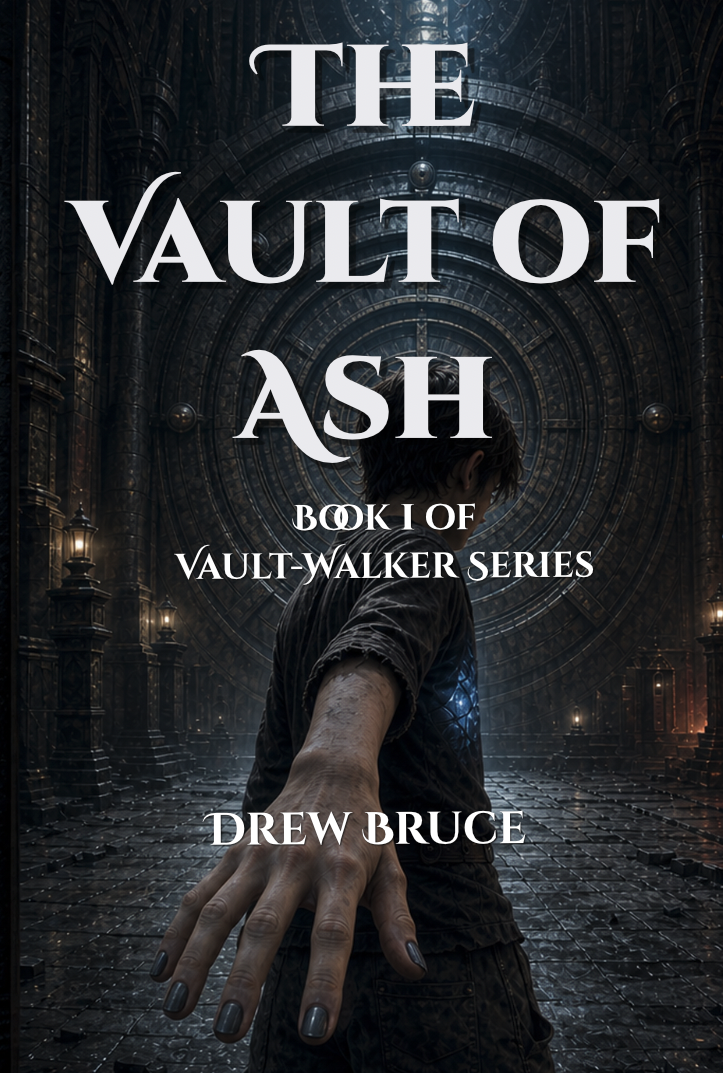
The Vault of Ash
Book One
A Lowmark thief enters a forbidden vault and gains ash magic that exposes the empire's oldest lie.
Amazon →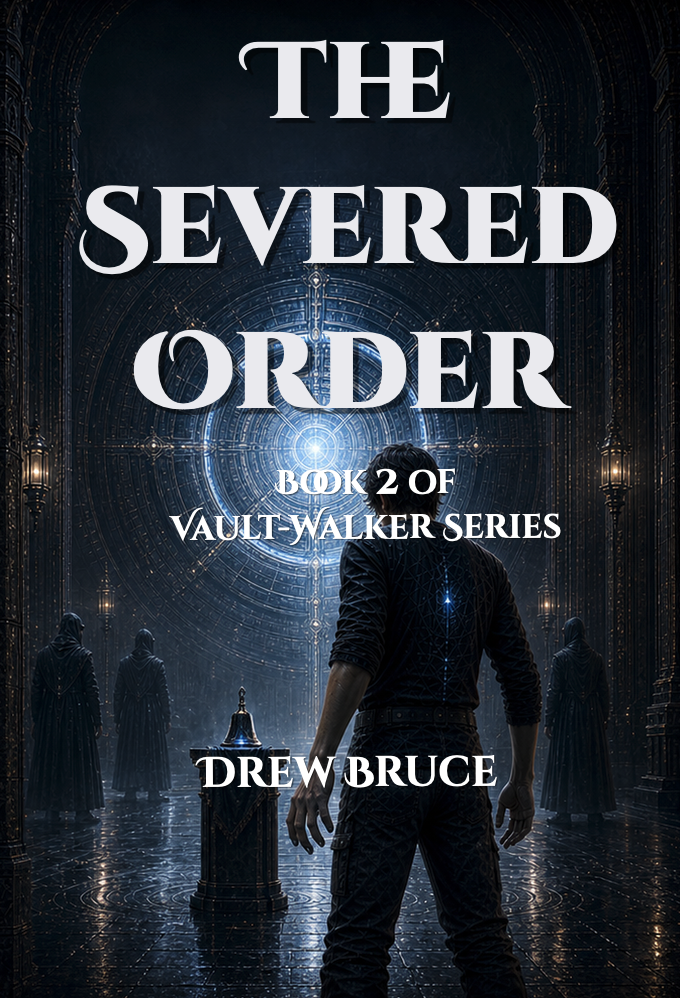
The Severed Order
Book Two
Ren enters Highwell, where magical training hides a brutal system built on silence, failure, and bodies spent.
Amazon →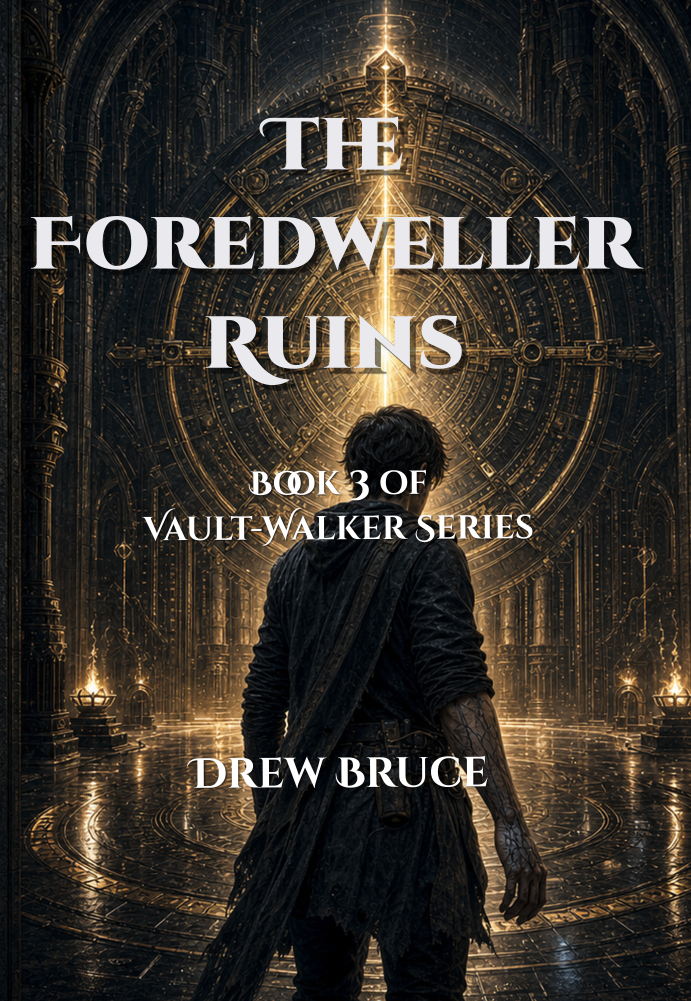
The Foredwellers' Ruins
Book Three
Ancient ruins reveal the vaults were never sacred. They were machines — and they are still running.
Amazon →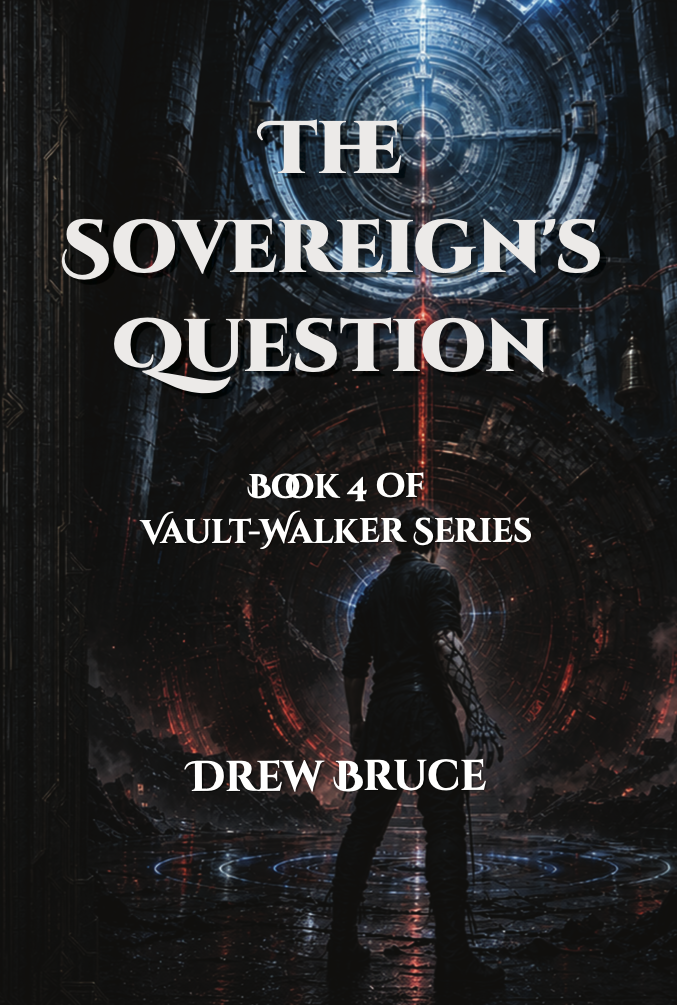
The Sovereign's Question
Book Four
As the empire's structures begin to fail, Ren faces the question every system fears: what is power allowed to decide?
Amazon →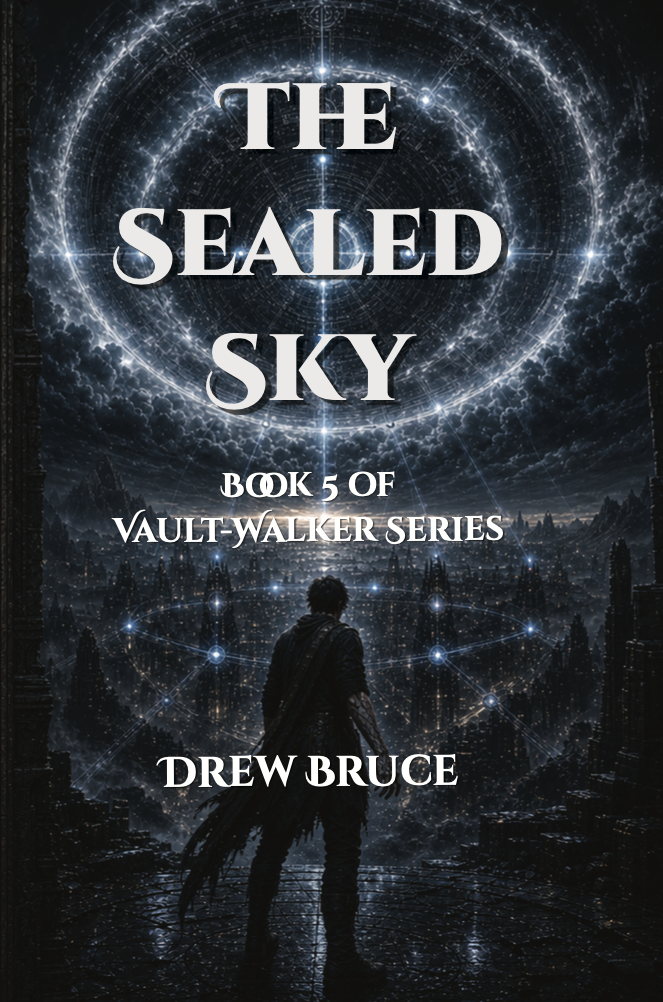
The Sealed Sky
Book Five
The final vault structure moves toward completion, and Ren must help the world survive without becoming its new master.
Amazon →The Ancients of Tomorrow Series
Co-authored with Hugh C. Gray. Thrilling sci-fi from classified swamps to synthetic biology.
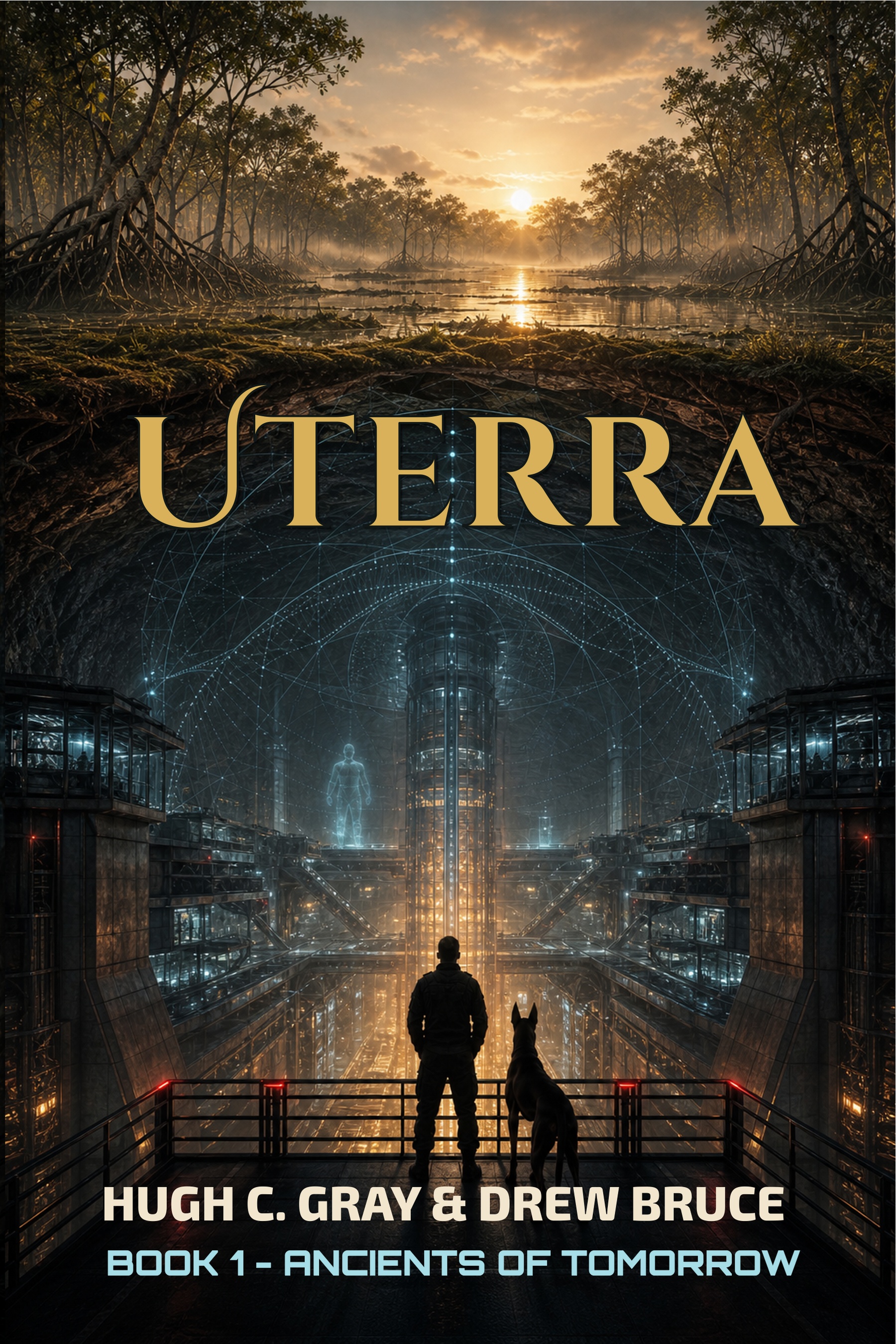
Uterra
Book One
Beneath a thousand square miles of Queensland swamp, a classified facility is running experiments that shouldn't be possible. Colonel Mack is about to become one of them.
Amazon →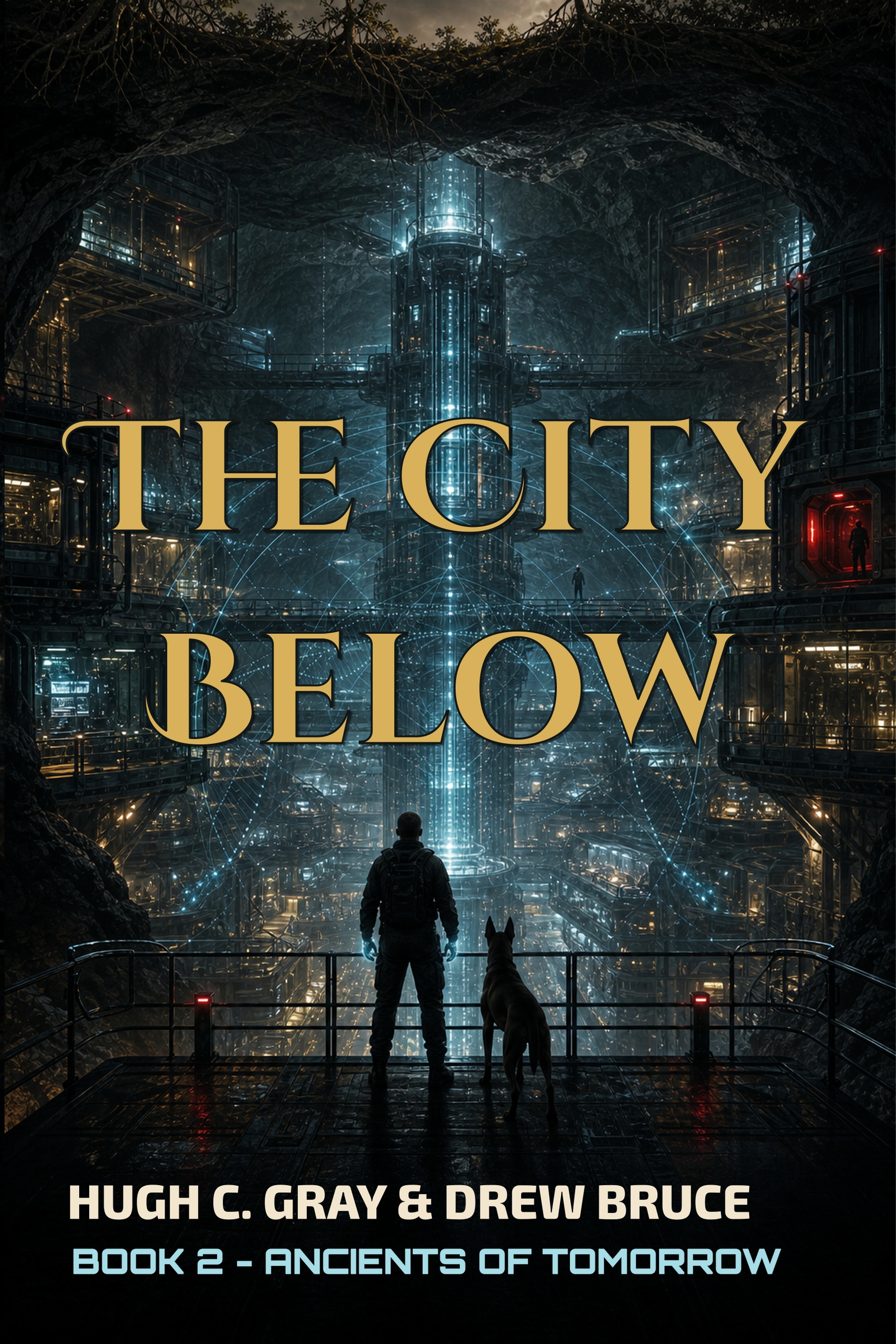
The City Below
Book Two
Uterra City has grown into something its founders didn't plan for. So has Mack. The question is whether either of them can be trusted with what they're becoming.
Amazon →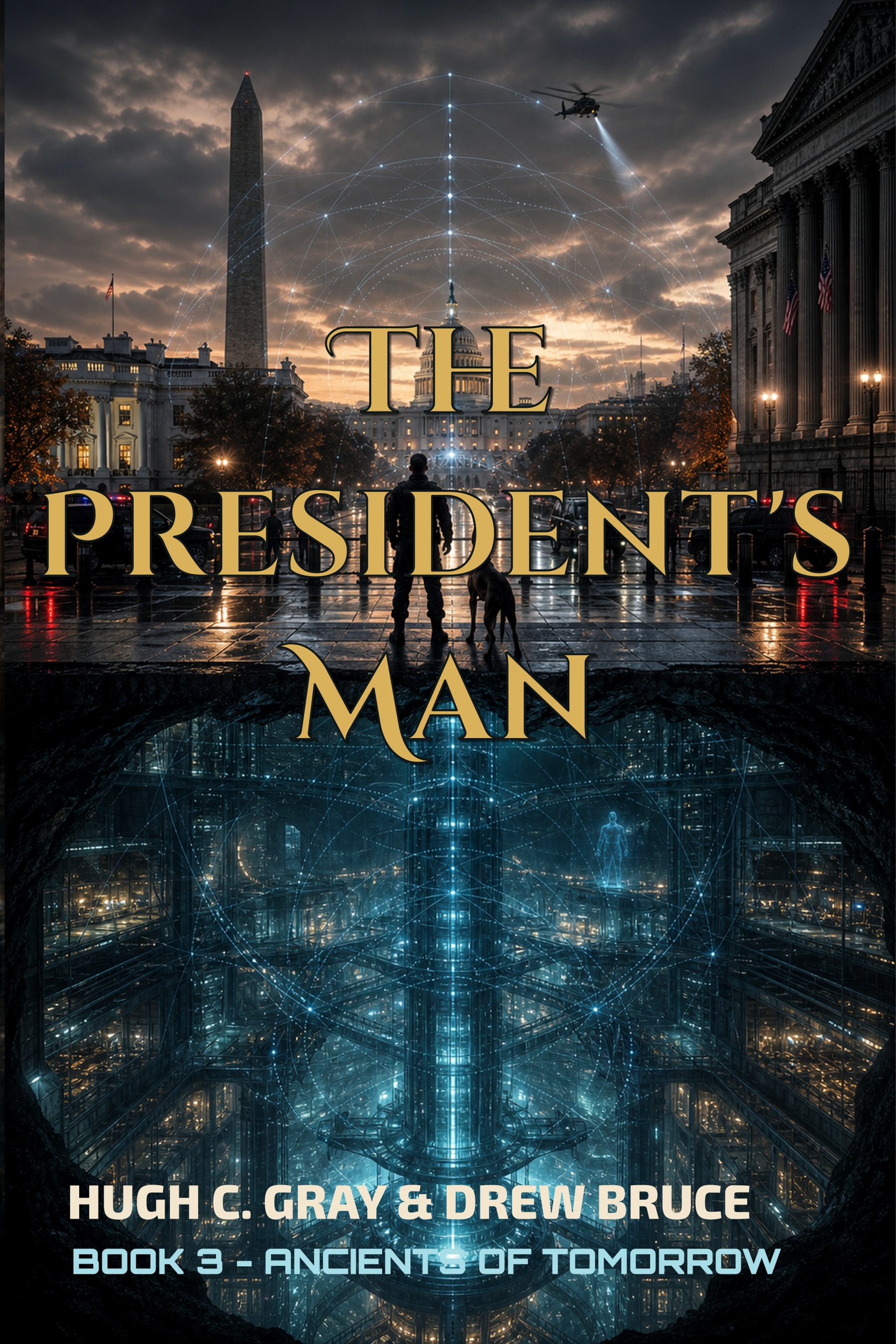
The President's Man
Book Three
Washington doesn't know what Mack is. Washington is about to find out that this is their problem, not his.
Amazon →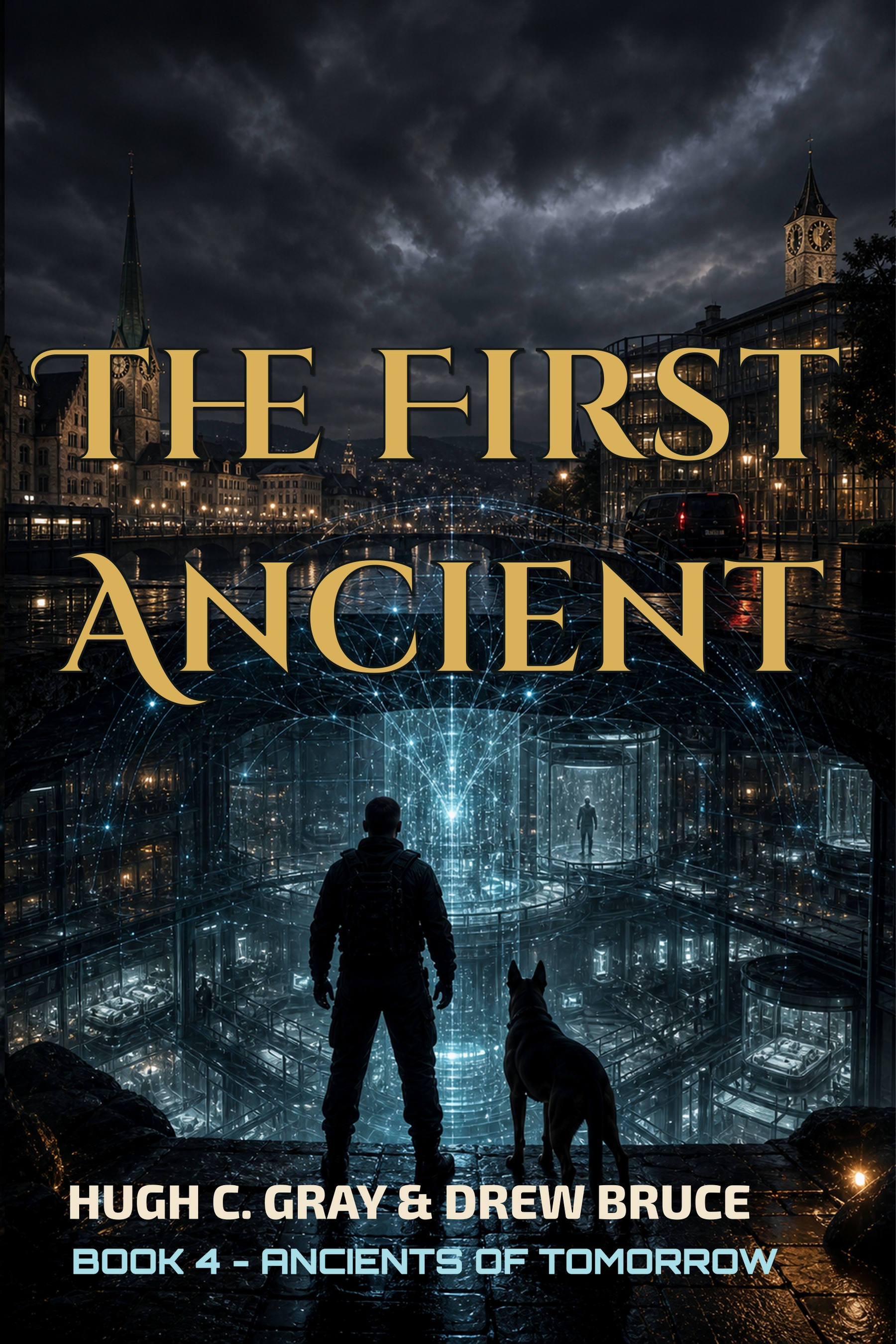
The First Ancient
Book Four
Mack’s transformation is accelerating. When stolen Uterra science surfaces inside a Swiss biotech programme, Mack must stop a synthetic-lattice experiment before it turns enhancement into a weapon.
Amazon →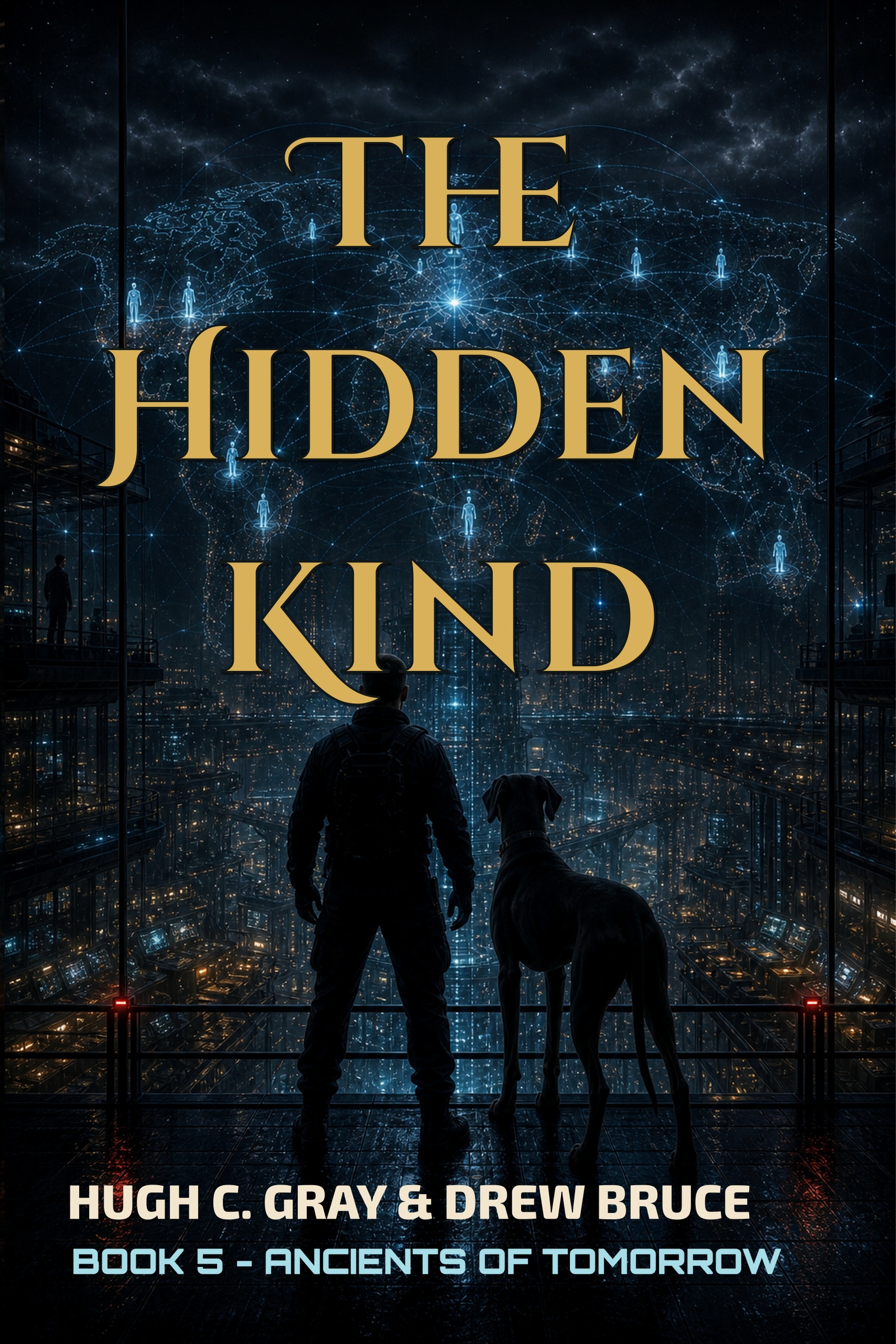
The Hidden Kind
Book Five
A leaked fragment proves Anna Keller survived. As Mack’s body pays the price, Uterra must decide whether to hide the compatible population or warn them before someone worse finds them first.
Amazon →Working Papers
The Observer Gap · The Observer Ecosystem · Human Readiness · The Trust Stack
Drafts on why AGI won't emerge from better pattern matching, how governance behaves as an ecosystem of competing signals, why human readiness is the missing layer in every AI strategy, and a protocol for verifiable AI accountability.
Browse the papers → Essays & FictionEssays & Stories
AI and cognitive debt · The System · stories
Reflective pieces that don't belong in a working paper and haven't yet found their way into a book. Includes a Practical Thinker essay on AI and cognitive debt, The System — A Life in Architecture, and shorter pieces that arrive in their own shape.
Open the notebook →